
Dan Lucas, the Senior Director of Strategic Communication for US Chess, interviewed me for the June 2024 edition of One Move at a Time.
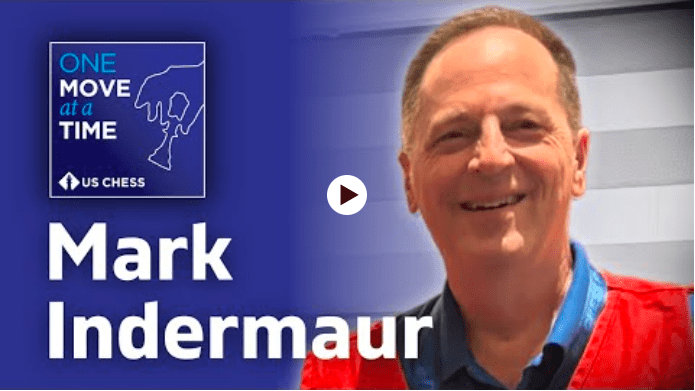
On June 1, US Chess began requiring tournament directors to complete the core training from the U.S. Center for SafeSport, so one of the topics we discussed was the US Chess Safe Play Policy.
Unfortunately, children and vulnerable adults can be victims of bullying, harassment, and abuse in many different settings – including chess. I commend US Chess for aligning with other fields like sports, scouting, and education to provide positive, welcoming environments where misconduct is less likely to happen.
In 2017, after reports of abuse in gymnastics and other sports, Congress established the U.S. Center for SafeSport to develop and enforce policies, procedures, and training to prevent abuse and misconduct and gave it the authority to resolve abuse and misconduct reports for everyone involved in the U.S. Olympic and Paralympic Movement. More than 5 million people have completed SafeSport training.
Some of the insights that I learned from the training are:
- those who try to harm children and vulnerable adults exploit trust and power
- they seek organizations that do not have protective policies and training
- they groom staff, volunteers, and parents in addition to potential victims
- they message and email their victims privately to avoid detection

I am glad that US Chess selected a well-established training program like SafeSport for its Safe Play policy. As a coach for my kids’ soccer teams, I was required to take the SafeSport core course and annual refresher courses, so I already had a SafeSport account. It was easy to link it with US Chess.
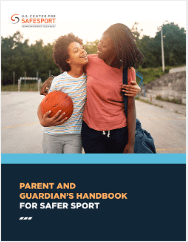
I urge chess parents to read the free Parent and Guardian’s Handbook for Safer Sport and US Chess to make it available via the Safe Play Hub. This important handbook explains:
- what makes for a healthy coach-athlete relationship
- what policies and good practices you should look for in your child’s organization
- what you should know about sexual abuse and sexual misconduct
- what you should know about other forms of misconduct, including bullying, harassment, hazing and emotional and physical misconduct
- tips for making sports situations safer for your child
- how to talk to your child about misconduct
- ways to encourage your child to speak up about misconduct if it occurs
The SafeSport training is very similar to the Youth Protection training which Scouting requires for all registered volunteers as part of its Safe Scouting program. The Parent and Guardian’s Handbook for Safer Sport is also similar to Scouting’s How to Protect Your Children from Child Abuse: A Parent’s Guide. One difference is that Scouting requires mandatory reporting of witnessed or suspected child abuse and of violations of its Youth Protection policies while US Chess requests reporting of alleged misconduct, mistreatment, or behavior that conflicts with the Safe Play policy. When some of my students asked for help earning the chess merit badge, I registered as a chess merit badge counselor and had to complete the required training. Registering as an adult volunteer with my local Scouting council currently costs $77 a year while the US Chess Safe Play training cost is only $19 for the first year and $9 in subsequent years.
The Safe Play policy is also consistent with policies in schools. For example, our local school system requires all volunteers to register and pass criminal history and sexual offender registry checks every year and to comply with specified school board policies. The Safe Play training is also consistent with the annual training we have for all employees and managers where I work.
Chess tournament directors and coaches are the “front line” for US Chess. With the SafeSport training, we are now better equipped to provide our players and their families with positive, welcoming environments where misconduct is less likely to happen.

 Indermaur Chess Foundation